


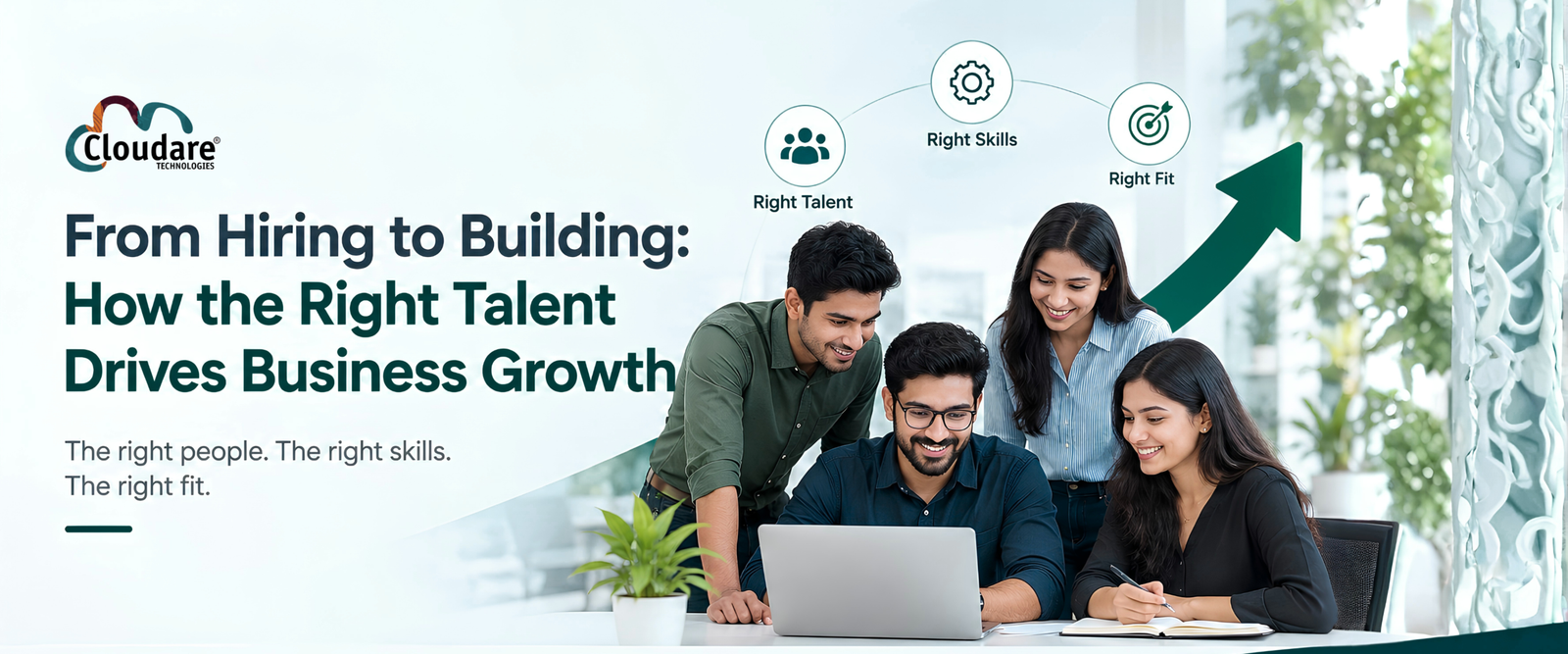
Discover how the right staffing partner helps businesses scale faster, access specialized talent, improve workforce flexibility, and support sustainable growth.
Introduction
Business expansion brings new opportunities, but it also creates new workforce challenges. Whether an organization is entering a new market, launching a project, adopting new technologies, or increasing its operational capacity, having the right people in place is essential to achieving its goals.
However, recruiting skilled professionals at the right time can be challenging. Lengthy hiring processes, talent shortages, changing skill requirements, and increasing competition for qualified candidates can slow down business growth.
This is where the right staffing partner can make a meaningful difference. By helping organizations connect with suitable talent and adapt their workforce to changing business needs, a staffing partner can support more efficient hiring, greater flexibility, and sustainable expansion.
1. Access to the Right Talent at the Right Time
As businesses grow, their workforce requirements evolve. Organizations may need experienced technology professionals, specialized consultants, project-based resources, or additional operational support within tight timelines.
Finding suitable candidates independently can require significant time and effort.
A capable staffing partner helps streamline this process through talent sourcing, candidate screening, and recruitment coordination. By aligning candidate capabilities with specific role requirements, businesses can focus on finding professionals who are better suited to their objectives.
Business impact: Improved access to relevant talent can help organizations address skill gaps and maintain progress on key initiatives.
2. Greater Workforce Flexibility
Business demand does not always follow a predictable pattern. Some projects require additional employees for a defined period, while others call for long-term team expansion.
Maintaining the same workforce structure for every business situation may not be practical.
Staffing solutions can provide greater flexibility by helping organizations evaluate options such as contract staffing, project-based hiring, and permanent recruitment according to their requirements.
This approach enables businesses to align workforce capacity with project timelines, operational demands, and changing priorities.
Business impact: A more adaptable workforce can help organizations respond to changing workloads without committing to a single hiring model for every requirement.
3. Reduced Recruitment Burden on Internal Teams
Recruitment involves more than publishing job openings. It includes understanding requirements, identifying candidates, reviewing profiles, coordinating interviews, and supporting the hiring process.
When internal HR teams manage high recruitment volumes alongside their regular responsibilities, hiring activities can become difficult to coordinate efficiently.
The right staffing partner can support these activities and help simplify recruitment workflows. This allows internal teams to dedicate more time to employee engagement, workforce planning, onboarding, and other strategic HR priorities.
Business impact: Better coordination of recruitment activities can help internal teams manage hiring demands more effectively.
4. Support for Technology-Driven Business Growth
Digital transformation has increased the importance of specialized technology skills across industries. Businesses may need professionals with expertise in ERP systems, cloud technologies, data analytics, software development, cybersecurity, and other technical domains.
Hiring for these positions can be challenging when the required skills are highly specialized or in limited supply.
A staffing partner with an understanding of technology roles can help organizations identify candidates whose experience and technical capabilities align with project requirements.
For businesses implementing new systems, modernizing existing platforms, or expanding digital operations, access to relevant talent can be an important part of execution planning.
Business impact: Better alignment between technical requirements and candidate capabilities can support project readiness and technology adoption.
5. Improved Hiring Efficiency and Resource Planning
Delays in filling critical positions can affect project schedules, workload distribution, and operational priorities.
A structured staffing approach helps businesses define role requirements, establish realistic hiring expectations, and coordinate candidate evaluations more effectively.
Working with a staffing partner can also help organizations identify workforce requirements earlier and plan recruitment around upcoming projects or expansion milestones.
While hiring timelines depend on role complexity, candidate availability, and organizational processes, a well-coordinated approach can help reduce avoidable recruitment delays.
Business impact: More organized hiring and workforce planning can help businesses prepare for growth with greater clarity.
6. Greater Focus on Core Business Objectives
During expansion, business leaders need to concentrate on customers, market opportunities, operational performance, and long-term strategy.
Recruitment challenges can divert time and attention from these priorities, particularly when several roles need to be filled simultaneously.
A reliable staffing partner can provide recruitment support that aligns with the organization’s wider business goals. By helping address talent requirements, the partner allows internal stakeholders to focus more effectively on business-critical activities.
This does not replace the need for internal leadership or workforce management. Instead, it creates an additional layer of support that can make growth-related hiring more manageable.
Business impact: Businesses can coordinate talent acquisition with strategic priorities while maintaining oversight of hiring decisions.
7. Better Alignment Between Hiring and Long-Term Growth
Successful expansion requires more than filling immediate vacancies. Organizations must also consider future capabilities, emerging skill requirements, and the sustainability of their workforce.
The right staffing partner takes time to understand the business, its operating environment, and the capabilities needed to support its objectives.
This understanding can help organizations make more informed decisions about role requirements, hiring models, and workforce capacity.
Rather than treating every vacancy as an isolated requirement, businesses can approach staffing as part of a broader workforce strategy.
Business impact: A forward-looking staffing approach can help organizations prepare for changing business needs and evolving skill demands.
How to Choose the Right Staffing Partner
Not every staffing partner will be suitable for every organization. Businesses should evaluate potential partners based on their ability to understand requirements, communicate clearly, and deliver relevant recruitment support.
Consider the following factors when selecting a staffing partner:
- Understanding of business requirements: The partner should understand your industry, business objectives, and role-specific expectations.
- Relevant talent network: Look for access to candidates whose skills and experience match your workforce needs.
- Flexible staffing options: Evaluate whether the partner can support contract, project-based, or permanent hiring as appropriate.
- Recruitment process and communication: Clear coordination, timely updates, and transparent expectations are essential.
- Quality-focused candidate screening: Assess how candidates are evaluated against the requirements of each position.
- Long-term partnership potential: Choose a partner that can adapt as your workforce requirements change.
The objective is not simply to fill vacancies. It is to establish a recruitment partnership that supports business priorities and contributes to a more effective workforce strategy.
Conclusion: Make Talent a Part of Your Growth Strategy
Business expansion depends on several factors, including market opportunities, operational readiness, technology, and financial planning. The availability of suitable talent is another important consideration that can influence how effectively an organization executes its growth plans.
The right staffing partner can help businesses access relevant talent, improve workforce flexibility, coordinate recruitment activities, and plan for changing skill requirements. When aligned with clear business objectives, these capabilities can help organizations approach expansion with greater confidence.
At Cloudare Technologies, we recognize the importance of connecting business requirements with the right talent. Our talent and staffing solutions are designed to help organizations address workforce needs and build teams aligned with their business objectives.
Planning your next phase of growth?
Connect with Cloudare Technologies to explore talent and staffing solutions that align with your business requirements.

Leave a Reply
You must be logged in to post a comment.